Z7_89C21A40L06460A6P4572G3JN0
 Inglés UdeA - Cabezote - WCV(JSR 286)
Acciones



Z7_89C21A40L0SI60A65EKGKV1K56
Inglés UdeA - EnlaceInteres - JSR(286)
Acciones


Z7_NQ5E12C0L8BI6063J9FRJC1MV4
Signpost
Acciones
Portal U de A
Z7_89C21A40L06460A6P4572G3JQ1
The flavors of biodiversity: a food guide that recognizes traditions
Acciones
The flavors of biodiversity: a food guide that recognizes traditions
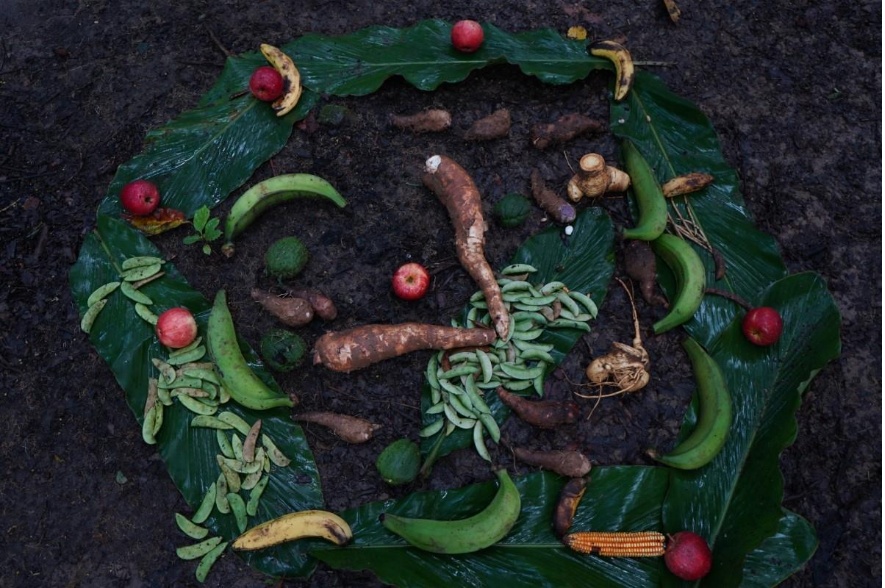
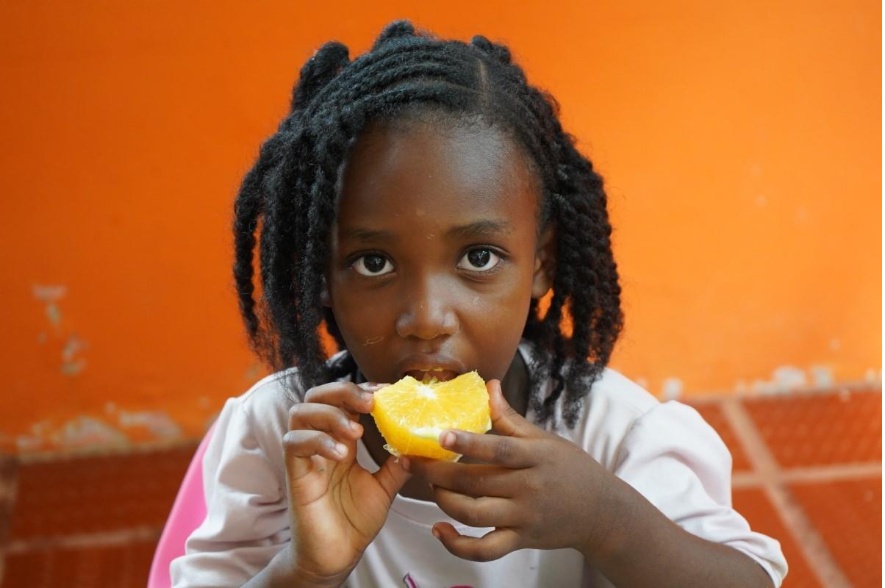
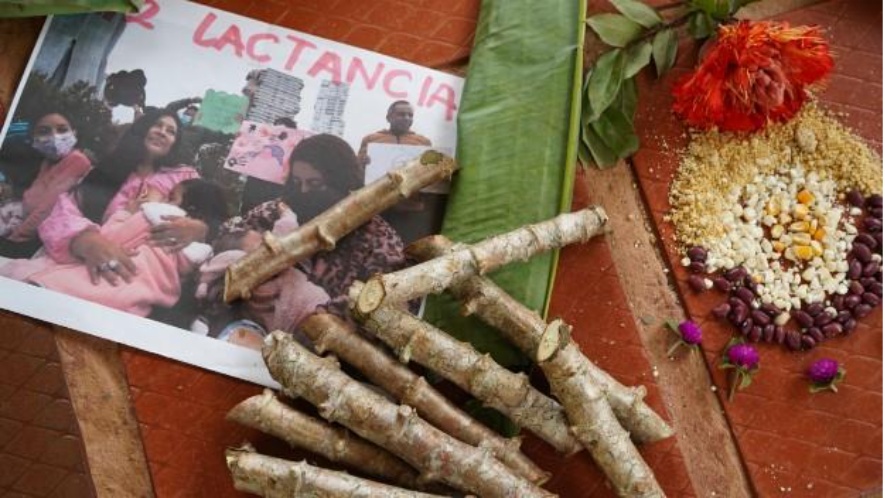
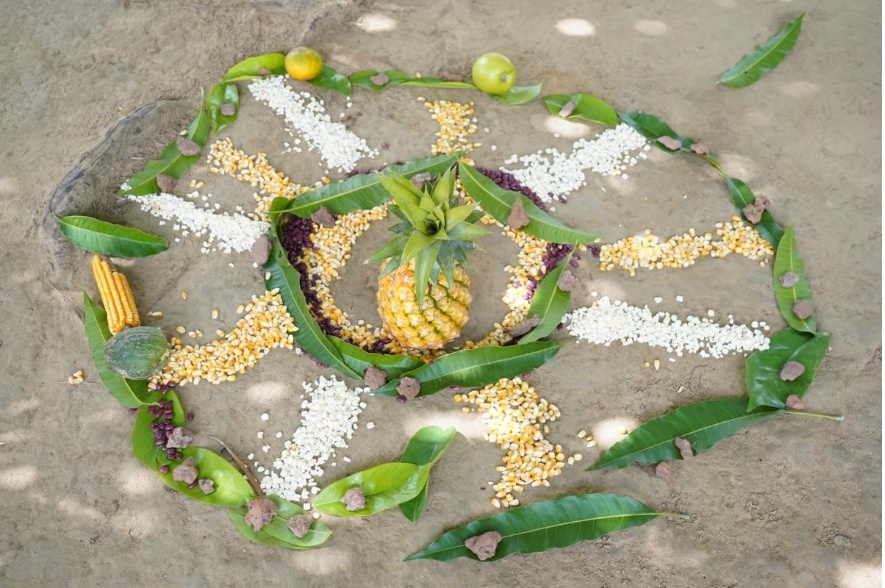
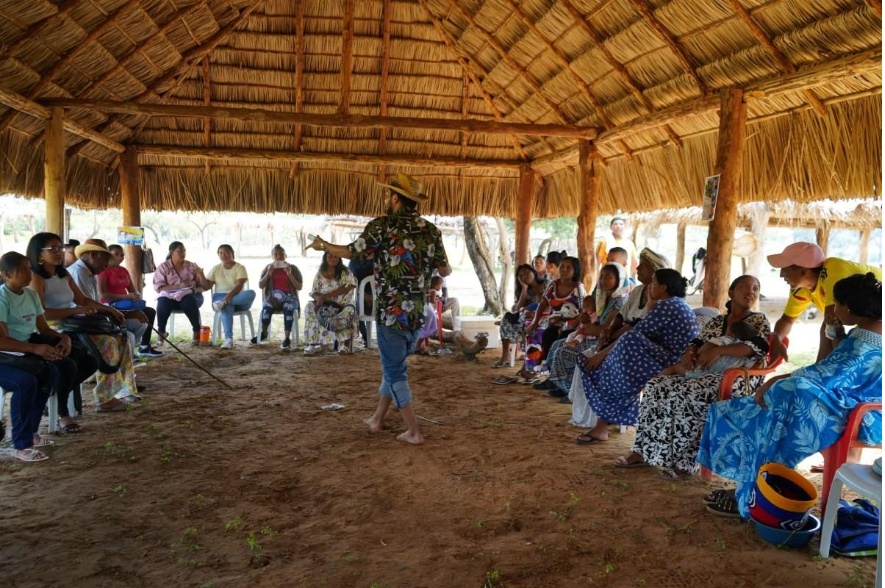
The new food guide celebrates the richness of Colombia's ecosystems by promoting authentic nutrition that protects biodiversity and revives ingredients unique to each region. Photos: Cristian Moncaleano, Valeria Urán, John Carmona, Cristian Upegui
By: Lina María Martínez Mejía, journalist at the UdeA Communications Department
In every corner of Colombia, flavors and recipes tell stories. With this in mind, the Instituto Colombiano de Bienestar Familiar and the School of Nutrition and Dietetics at Universidad de Antioquia introduced the "Guía de alimentación para la población colombiana basada en biodiversidad y alimentación real" (Dietary Guide for the Colombian Population Based on Biodiversity and Real Food). It is a tool developed with communities that focuses on traditional knowledge, health, and ecosystem protection. More than just a set of recommendations, it is an invitation to preserve the cultural memory of the territories.
Eliana María Pérez was familiar with mazamorra chiquita (small porridge). A few years ago, she tried this typical soup from Cundiboyacense cuisine. She recognized the ingredients, but the flavors weren't anchored in her taste memory. It was Luz Dary Diaz, a community leader from Usme, Bogotá, who reminded her that this preparation brings together different farm products in a single dish: tripe, beef, corn, beans, mashua, potatoes, vegetables, and other seasonings that add flavor to this comforting broth.
"It's not like what I'd tried before. The mazamorra chiquita Luz Dary gave me was special, delicious. She also explained that the secret isn't just in the recipe; it requires a spiritual and energetic disposition to prepare it. Otherwise, it can turn sour," Eliana says.
More than five hundred kilometers away, in Pueblo Bello, Cesar, Gustavo Cediel met with members of the Arhuaco community. He learned from them that food has a spiritual meaning. You don’t plant or eat without first giving thanks. "For these people, food isn't just sustenance. Every food that comes from the earth or water is sacred and represents the balance between humankind and nature," he explains.
In La Guadalupe, a hamlet in southern Guainía, Diego Gaitán learned the techniques used by the Yeral and Curripaco peoples to preserve food. The pescado moqueado (smoked fish) is exposed to the sun and ground into a powder that can accompany casabe (a spicy cassava tortilla) or be prepared into soups and broths. "I was surprised by this ancestral and natural preparation that arose from the need to adapt to the conditions of the territory. It is also a nutritious and healthy food."
Eliana, Gustavo, and Diego, professors and members of the Food Knowledge research group at Universidad de Antioquia’s School of Nutrition and Dietetics, learned these traditional recipes during a tour they undertook in the second half of 2024.
They visited 14 municipalities in different parts of Colombia to hear the voices and culinary secrets of local communities, essential inputs for creating the “Dietary Guide for the Colombian Population Based on Biodiversity and Real Food,” an educational and food governance tool developed by the Instituto Colombiano de Bienestar Familiar (ICBF) (Colombian Institute of Family Welfare) and UdeA’s School of Nutrition and Dietetics. It provides a way of understanding food that is healthy, culturally rooted, sustainable, and based on the responsible use of the country's biodiversity.
The 13 territories considered for the guide were the Amazon, southern Andes, Caribbean coast and savannah, Cundiboyacense high plain, Momposina and Mojana depression, Capital District, Coffee Region, Caribbean islands, Pacific and Chocó, Llanos, Magdalena Medio, Santander, Norte de Santander, and Tolima Grande.
This document allows anyone to identify what is "good to eat." It's not just a list of healthy foods and recipes. It reminds us that people's health also depends on the health of rivers, soil, forests, and the biodiversity that nourishes our kitchens.
“This guide invites us to stop viewing nutrition as simply putting food in our mouths. It's actually an ecosystemic phenomenon that begins in the earth with a seed. It depends on water, the ways we market products —which must be fair— and the culinary universes that communities have created. Ultimately, these foods nourish our bodies. That's why this guide is a tool for good living,” explains Gustavo Cediel, a member of the technical-scientific team that participated in the guide's creation.
The voice of the communities is heard at the table
Colombia is no stranger to developing dietary guidelines. The ICBF had already published three versions. The first was published in 1969 under the name “El círculo de la alimentación” (The Food Circle), a document focused on the nutrients necessary for a person to be productive and contribute to the country's development. Later, in 1996, “El tren de la alimentación” (The Food Train) was presented. The manual grouped foods according to the World Health Organization's guidelines and emphasized disease prevention. Almost two decades later, in 2015, “El plato saludable de la familia colombiana” (The Healthy Plate for the Colombian Family) was launched. It was a tool that proposed healthy eating patterns and promoted water consumption and regular physical activity.
The Dietary Guide for the Colombian Population Based on Biodiversity and Real Food, presented in August 2025, is different because it includes the voices of communities. Previous versions were conceived as a recipe that everyone had to follow without considering the diversity of territories, cultures, people, foods, and flavors.
"We traveled the country from north to south and east to west. We made a tremendous effort to listen to Afro-descendants, farmers, indigenous people, ICBF community mothers, victims of the armed conflict, Venezuelan migrants, and other groups. The guide we are delivering is not a desktop document. It's a dialogue of knowledge of different sorts that seeks to empower communities to defend their food," explains Eliana María Pérez, a National Faculty of Public Health professor and a member of the Food Knowledge research group.
The conversation Professor Eliana mentions was made possible through a participatory approach involving 1,370 people —their names are listed in the guide's credits— in 13 food territories distinguished by shared traditional and cultural food practices. Over five months, a team of 42 professionals visited 14 representative municipalities within these territories. Their large potential for population growth facilitated meetings and the collective development of knowledge.
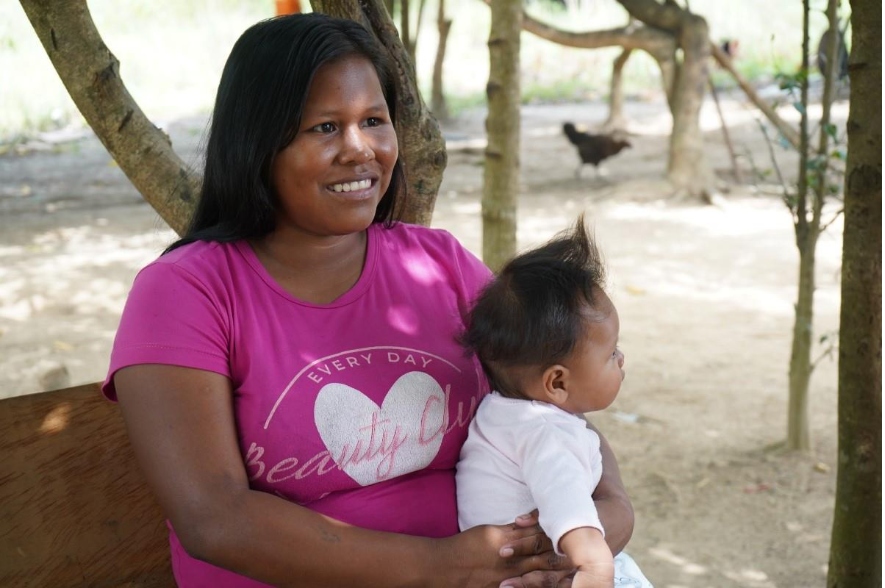
Ancestral knowledge, local voices, and everyday practices were at the heart of the process. The communities built this guide with their stories, knowledge, and flavors.
In one of those conversations, Professor Eliana met Luz Dary Diíaz, a Boyacá farmer who learned the secrets of preparing mazamorra chiquita and works for the well-being of her community. "For us, it's a privilege to represent the knowledge keepers who have fought for food sovereignty, autonomy, and locally rooted food traditions for many years. The guide is a beautiful book that we discussed and wrote together. Now, we must make it a reality. Therefore, I call on the institutions to unite because the people are already organized. It's also a message for the communities: I invite them to dig deeper into their food, love their land, love what they eat, love everything that is ours," said Luz Dary in Ciénaga de Oro, Córdoba, on August 2, 2025, before the audience that gathered to receive the guide.
This leader's voice echoes many others who participated in the knowledge dialogues. During fieldwork, Professor Diego Gaitán heard stories from women committed to protecting their land. "Women's role goes far beyond caring for their families; they are committed to caring for the land and water. For example, in Bogotá, I met a leader who has created more than 180 community gardens in the capital."
Defending real food
The new food guide is not just a set of recommendations. It is an urgent invitation for Colombians to take ownership of their consumption habits and defend real food, conceived in the guide as food that prioritizes natural or minimally processed foods and ingredients. Today, this food sovereignty, understood as the right of people to decide their own food and production system, is threatened by ultra-processed foods, edible and beverage products laden with fats, sugars, sodium, and additives that are associated with an increase in chronic diseases such as diabetes, hypertension, obesity, and others.
To counter the adverse effects of ultra-processed foods on human health and ecosystems, the guide offers practical tools for identifying natural foods to prioritize and those to avoid. It also presents more than 1,400 traditional preparations with an explanation of their most relevant nutritional characteristics.
"The guide opens up a wide range of possibilities, from soups and broths to side dishes, snacks, desserts, and pastries specific to each region. The goal is to turn the kitchen into a laboratory for exploring the richness of the natural foods that the country provides. It also dedicates a chapter to commensality, to the importance of gathering around the table again and recognizing how fundamental culinary art has been to human evolution," says Professor Gustavo Cediel.
A guide for all Colombians
After a year and a half of work, the ICBF, the UdeA, and the communities that participated in the knowledge dialogues delivered the food guide to the country: 352 pages that speak to the respectful relationship we should have with food, ecosystems, and culture. Now, the challenge for the institutions that led this process is to bring these recommendations to Colombian homes.
"The guide aims to inform decision-making regarding public food policy and the implementation of food programs and action plans by social, community, and state organizations. It also serves as an educational tool for individuals and communities to make free and informed decisions. Therefore, the ICBF is working to disseminate the guide throughout the country," says Jacqueline Adame Ochoa, an ICBF nutrition department member.
For their part, Eliana, Gustavo, and Diego, the professors who represented the University around the country in search of ancestral recipes and flavors, discovered that each dish is also a collective dream, a way of imagining the future from the territories. That is why they insist that "the public university must turn to the population and support communities in building their future. That is true social transformation."
The food guide reminds us that Colombia is home to nearly 10% of the planet's known species, which makes it one of the 14 most biodiverse countries in the world. It also warns that biodiversity and food sovereignty are closely linked. The more we incorporate biological diversity into our diet, the greater our recognition of its value and the greater the possibilities for conserving it.
Z7_89C21A40L06460A6P4572G3JQ3
Portal U de A - Redes Sociales - WCV(JSR 286)
Acciones

Z7_89C21A40L0SI60A65EKGKV1K57
Inglés UdeA - Iconos Footer - WCV(JSR 286)
Acciones